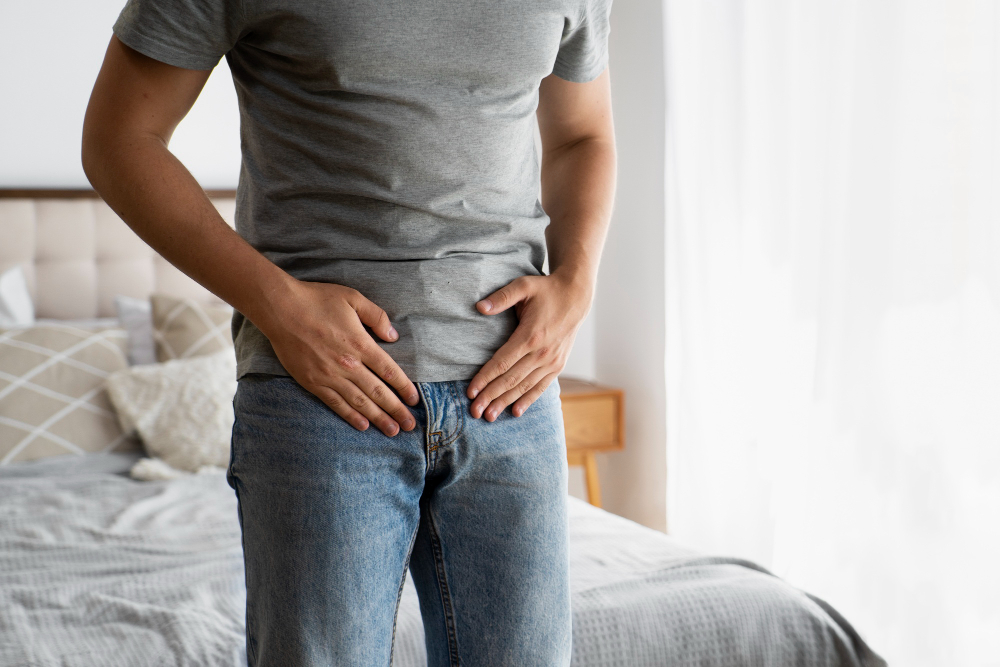
What is Voiding Difficulty?
Voiding difficulty means having trouble passing urine. Many people call this urination problems or trouble urinating. Sometimes, you may feel the urge to go but cannot start. Other times, you may not empty your bladder fully. This can happen to both men and women. However, it is more common as people get older. Voiding difficulty can affect your daily life. For this reason, it is important to know the signs and seek help if needed.
Common Symptoms of Voiding Difficulty
Voiding difficulty can show up in different ways. For example, you may notice changes in how often or how easily you urinate. Here are some common symptoms:
Because these symptoms can affect your health, it is wise to pay attention to any changes.
Causes of Voiding Difficulty
Many things can cause voiding difficulty. Sometimes, the cause is simple, like drinking less water. Other times, it may be due to a health problem. Below are some common causes:
Because each cause needs different care, finding the reason is important.
How is Voiding Difficulty Diagnosed?
Doctors use several steps to find out why you have voiding difficulty. First, they will ask about your symptoms and medical history. Next, they may do a physical exam. In addition, you may need some tests, such as:
With these tests, your doctor can find the cause and suggest the best treatment.
Treatment Options for Voiding Difficulty
Treatment depends on the cause of your voiding difficulty. Sometimes, simple changes can help. Other times, you may need medicine or a small procedure. Here are some common treatments:
Because each person is different, your doctor will choose the right plan for you.
Lifestyle Tips and Prevention
There are steps you can take to lower your risk of voiding difficulty. For example, healthy habits can keep your bladder working well. Try these tips:
By following these steps, you may prevent some urination problems.
When to See a Urologist
Sometimes, voiding difficulty can signal a serious problem. Therefore, you should see a urologist if you:
Early care can help prevent problems from getting worse.
Frequently Asked Questions
Conclusion and Next Steps
Voiding difficulty can affect your comfort and health. However, many causes are treatable. If you notice symptoms like trouble urinating or urinary retention, do not ignore them. Early care can make a big difference. Consult a urology specialist for personalized advice on voiding difficulty.