Kidney Stones: Everything You Need to Know
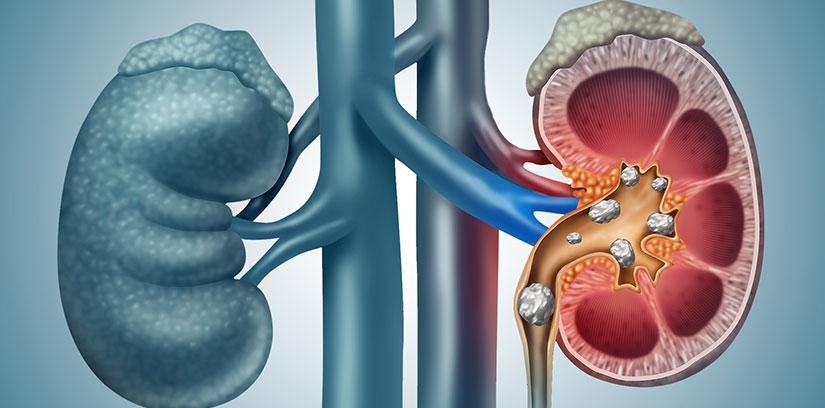
Kidney stones are hard mineral deposits that form inside the kidneys when minerals in the urine crystallize. They can range from the size of a grain of sand to a golf ball. While small stones may pass naturally, larger stones often require medical treatment.
Common Symptoms
- Severe pain in the back or side
- Pain during urination
- Blood in urine
- Frequent urge to urinate
- Nausea and vomiting
- Fever (if infection is present)
Causes
- Not drinking enough water
- High salt intake
- Excess protein consumption
- Family history of kidney stones
- Obesity
- Certain medical conditions
Diagnosis
Your urologist may recommend one or more of the following tests:
- Ultrasound
- CT Scan
- Urine Test
- Blood Test
- X-Ray
Treatment Options
Treatment depends on the size and location of the kidney stone.
- Increased fluid intake
- Pain-relieving medications
- Medicines to help pass the stone
- Laser stone removal
- ESWL (Shock Wave Lithotripsy)
- PCNL for large kidney stones
Prevention Tips
- Drink 2.5–3 liters of water every day.
- Reduce salt intake.
- Limit sugary drinks.
- Maintain a balanced diet.
- Follow your doctor’s dietary recommendations.
When Should You See a Urologist?
- Persistent severe pain
- Blood in urine
- Difficulty passing urine
- Fever with chills
- Recurring kidney stones
When Should You Visit a Urologist?
You should consult a urologist immediately if you experience any of the following symptoms:
- Severe or persistent pain in the back, side, or lower abdomen
- Blood in the urine
- Fever and chills along with pain
- Persistent nausea or vomiting
- Difficulty passing urine or reduced urine output
- Recurring kidney stones
Conclusion
Kidney stones are a common but treatable condition. Early diagnosis and timely treatment can help prevent complications and preserve kidney health. Maintaining adequate hydration, following a balanced diet, and seeking medical advice at the first sign of symptoms can significantly reduce your risk of developing kidney stones.
If you or a loved one is experiencing symptoms of kidney stones, consult an experienced urologist for a comprehensive evaluation and personalized treatment plan.