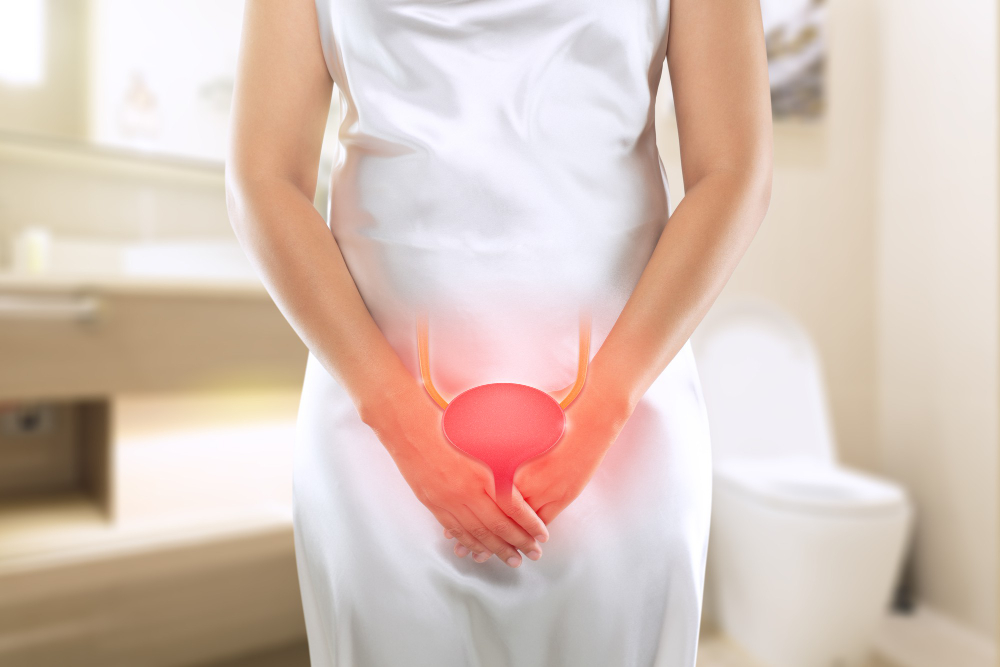
What is Interstitial Cystitis?
Interstitial Cystitis, also called bladder pain syndrome, is a long-term condition. It causes pain and pressure in the bladder area. Many people with this condition have frequent urges to urinate. Because symptoms can come and go, you may experience periods called Interstitial Cystitis flare-ups. During these times, symptoms get worse. According to the Centers for Disease Control and Prevention (CDC), , this condition affects both men and women, but it is more common in women.
Common Symptoms of Flare-Ups
During a flare-up, symptoms often become more intense. For example, you may notice:
Sometimes, symptoms can last for days or even weeks. However, they may also improve quickly with the right care.
Causes and Triggers
Although the exact cause of Interstitial Cystitis is not known, certain triggers can make symptoms worse. For instance, common triggers include:
Because triggers can vary, it helps to keep a diary of your symptoms and activities.
Diagnosis and When to Seek Help
If you have ongoing bladder pain or frequent urination, you should see a doctor. Early diagnosis can help you manage Interstitial Cystitis flare-ups better. Doctors may use urine tests, bladder exams, or other checks to rule out infections or other problems. Sometimes, you may need to see a urologist, a doctor who specializes in urinary health. If you notice blood in your urine, fever, or severe pain, seek medical help right away.
Effective Ways to Manage Flare-Ups
Managing Interstitial Cystitis flare-ups can improve your quality of life. Here are some proven ways to reduce IC flare-ups:
Additionally, following your doctor’s advice can help you find the best Interstitial Cystitis management plan for your needs.
Lifestyle Tips and Home Remedies
Simple changes at home can make a big difference. For example, you can:
Because everyone is different, you may need to try several tips to see what works best for you.
Prevention Strategies
While you may not be able to prevent all flare-ups, you can lower your risk. Consider these prevention tips:
In some regions, climate or local foods may affect symptoms. So, adjust your habits based on your area and lifestyle.
When to Consult a Urologist
If your symptoms do not improve with home care, it is time to see a urologist. For example, seek help if you have:
Because a urologist can offer advanced treatments, early consultation can help you find better bladder pain syndrome relief.
In summary, Interstitial Cystitis flare-ups can be managed with the right steps. For personalized advice on managing Interstitial Cystitis, consult a urologist.